
Category: SEO
-
How ChatGPT Does Query Fan-Out (15 Million Queries Studied)
The SEO industry has spent the last few months taking ChatGPT apart to see how it searches and finds its sources. We wanted to see for ourselves how ChatGPT retrieves information—and what that means for AI visibility—so we analyzed 66.6 million free, logged-out GPT-5.6 Luna responses and their 15 million fan-out queries from August and…
-
How to Measure AI Search Visibility When Attribution Falls Short
More than one in five people who sign up for Ahrefs say they found us through ChatGPT or Claude. That puts AI ahead of YouTube as a source of signups, and second only to Google. If we’d relied on our referral traffic alone, we’d have badly undersold it. Most AI influence happens out of sight.…
-
AI Search ROI Is Messy. Here’s How to Measure It Anyway
B2C isn’t far behind: NielsenIQ puts it at 42% of consumers researching products with AI. That’s why bigger budgets are being allocated to AI search. It’s also why we’re all scrabbling to work out how valuable our AI visibility strategies are. Searches for AI attribution and ROI keywords have grown 212% over the last 18…
-
AI Overviews Currently Appear for 83% of Branded Searches
That prompted us to investigate AI Overviews for branded searches on a larger scale. We found that AI Overviews now appear for 83% of branded queries, potentially reducing clicks to brands’ own websites and giving third-party sources like Wikipedia, YouTube and LinkedIn a bigger say in how a brand appears in search results. AI Overviews…
-
8 Problems to Watch For
Vibe coding has made static websites easier than ever to build. You can spin up a site with Astro, Jekyll, Gatsby, Hugo, or another static framework without ever touching a traditional CMS. But easier to build doesn’t necessarily mean easier to optimize. WordPress and other CMSs quietly handle many SEO basics through plugins and built-in…
-
69% of Marketers Are Publishing More AI Content Than Last Year (New Research Report)
For the second year in a row, we’ve surveyed marketers to understand the impact AI is having on all aspects of content marketing. 301 respondents shared what they’re using AI for, how it affects their productivity, their favorite tools, and more. Key takeaways: AI use in content creation is almost ubiquitous, with 93% of respondents…
-
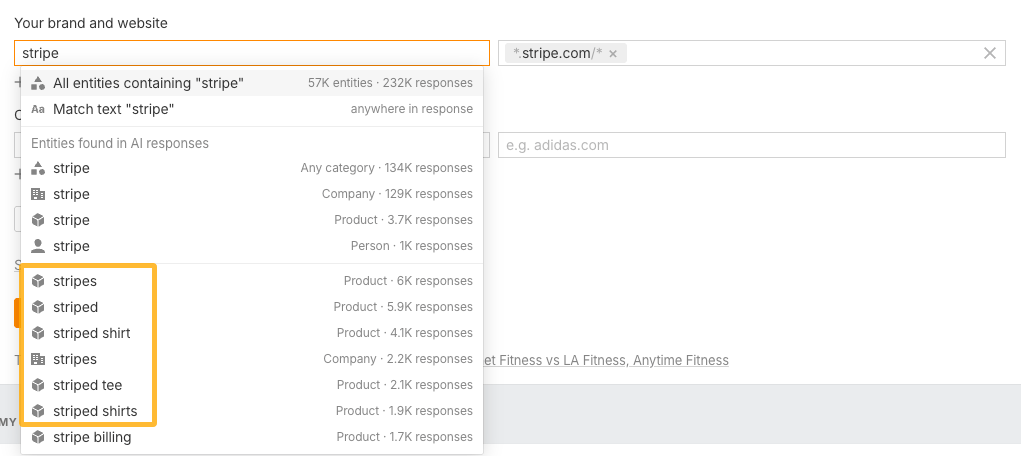
AI Visibility Data Paralysis: How to Get Unstuck
AI visibility isn’t one problem. It’s a collection of different problems that happen to look similar from a distance. Your brand might be missing from important conversations, losing recommendations to competitors, associated with the wrong topics, or described using outdated information. AI assistants may even struggle to access your content in the first place. Each…
-
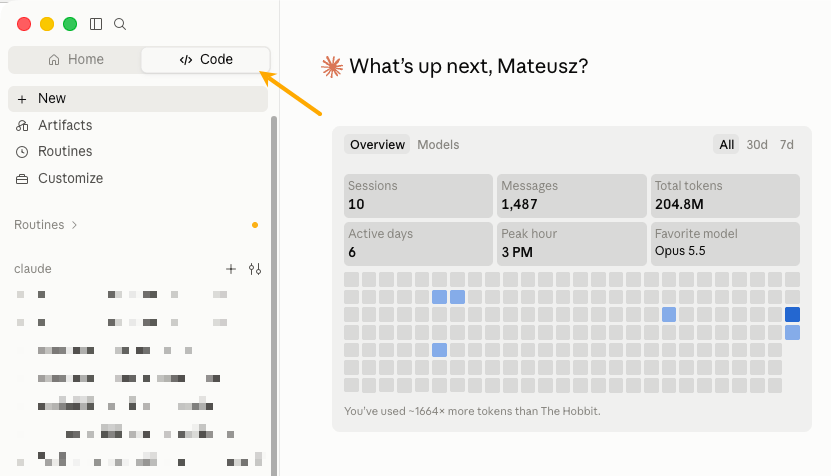
Claude Code for SEO: 35 Use Cases
Claude Code can handle SEO tasks that would normally require several tools and a lot of manual work. Give it a task and access to the right data, and it can compare reports, analyze pages, draft changes, or create a list of recommendations for you to review. You don’t need to automate your entire SEO…
-
A Guide for You and Your AI Agent
Optimizing for AI search means improving your pages so they’re more likely to be cited by AI assistants when people ask relevant questions. It might sound like a completely new discipline. For the most part, it isn’t. Google says its AI search features still rely on its core search systems. Your content still needs to…
-
AI Overviews Cut CTR by 23.1% in France
On July 22, 2026, France became the latest major search market to get AI Overviews. Which means that, for once, we got to watch the before and after without having to guess. In most markets, AI Overviews crept in alongside algorithm updates and seasonal swings, and we all spent the following year arguing about how…